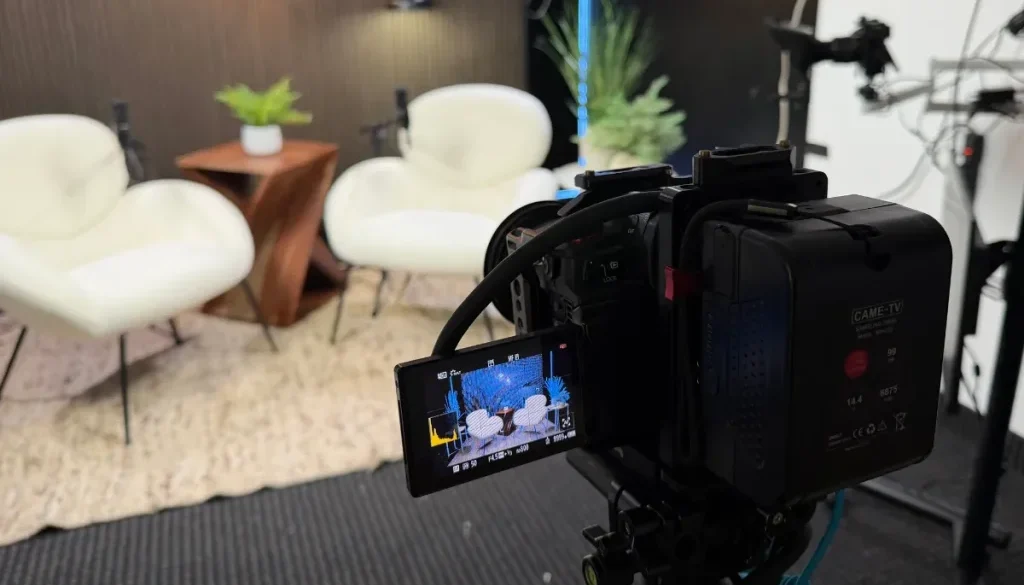
5 Steps to Prepare for Your First Podcast Recording
Walking into a studio for your first podcast recording can feel intimidating. You might worry about losing your train of thought, speaking too fast, or struggling with complicated equipment. Fortunately, careful preparation turns nervous energy into a fun, productive experience.
When you know what to expect, you can focus on sharing your message with confidence. Here is a clear guide to help you prepare for your studio session and record an episode you can be proud of.
Key Takeaways
- Build an episode outline with key bullet points instead of reading a full script.
- Warm up your voice and practice speaking at a steady pace before you arrive.
- Pick quiet, comfortable clothes that look good on camera.
- Practice simple studio etiquette to keep your audio clear and noise-free.
- Work closely with your studio engineer to handle technical details.
1. Focus on Smart Podcast Preparation
Good podcast preparation is the foundation of a successful episode. Many new hosts make the mistake of either writing out a word-for-word script or planning nothing at all. Reading a script line by line often sounds stiff and artificial. On the other hand, going in without a plan can lead to long pauses and off-topic tangents.
The best approach is to build a structured outline. An outline gives you a roadmap while keeping your speech natural and conversational.
Here is how to structure your outline:
- Episode Intro: Write a brief 2 to 3 sentence opening. State who you are, what the episode covers, and why the audience should listen.
- Main Points: List 3 to 5 core topics you want to address. Add 2 bullet points under each topic for specific facts, stories, or examples.
- Transitions: Note quick phrases to help you move smoothly from one main topic to the next.
- Call to Action: Decide what you want your listeners to do at the end of the episode, such as visiting your website or following your social media page.
- Episode Outro: Write a clear closing remark to wrap up the show.
Pro Tip: Keep your outline printed on paper or stored on a tablet. Avoid checking your phone for notes during the session, as notification sounds and screen glare can disrupt your recording.
2. Practice Vocal Warm-Ups and Speech Control
Your voice is your primary tool during a recording session. Taking a few minutes to warm up your vocal cords makes a huge difference in your clarity and tone.
Before you sit in front of the microphone, try these quick exercises:
- Humming: Hum quietly at a low pitch for 30 seconds to loosen your throat muscles.
- Lip Trills: Blow air through your lips to make them vibrate. This relaxes your mouth and jaw.
- Tongue Twisters: Repeat simple phrases like “red leather, yellow leather” to sharpen your pronunciation.
Hydration is also a major factor in sound quality. Drink plenty of room-temperature water before and during your session. Avoid dairy products, sugary sodas, and cold drinks right before recording. Dairy creates excess mucus in your throat, while ice water causes your vocal cords to tighten.
Remember to pace yourself. New podcasters often speak quickly when they feel nervous. Take a deep breath, slow down your delivery, and allow natural pauses between thoughts. Pauses sound natural to listeners and give you time to think.
3. Pick the Right Outfit for Audio and Video
What you wear matters just as much as what you say, especially if you are recording video alongside audio. Your outfit choice impacts both sound clarity and visual appeal.
When choosing clothing, keep these practical guidelines in mind:
- Avoid Noisy Jewelry: Banging bracelets, long necklaces, and dangling earrings hit microphones and create unwanted clicking sounds.
- Skip Distracting Patterns: Avoid clothes with tight pinstripes, small checks, or zig-zag patterns. These patterns create an irritating visual shimmer on camera.
- Choose Quiet Fabrics: Soft cotton, wool, and matte fabrics work best. Nylon, leather, and stiff windbreakers rustle whenever you move.
- Select Soft Colors: Solid jewel tones, soft blues, and dark neutral colors look great on camera. Bright white tops can wash out your skin tone under studio lighting.
4. Learn Basic Studio Etiquette for a Beginner Podcaster
If you are a beginner podcaster, learning basic studio etiquette helps your session run efficiently and prevents audio errors. Professional recording gear is sensitive and picks up subtle background noises that you might not notice in everyday conversation.
Here is a simple summary of what to do and what to avoid in the studio:
| Recording Area | Recommended Practice | Action to Avoid |
|---|---|---|
| Mic Position | Stay 4 to 6 inches away from the mic | Moving your head away while speaking |
| Body Movement | Sit comfortably and stay still | Swiveling in your chair or tapping feet |
| Table Space | Keep hands resting gently on the desk | Tapping fingers, pens, or water bottles |
| Handling Mistakes | Pause for 3 seconds and re-read the line | Groaning, clapping, or apologizing repeatedly |
When a mistake happens on a first podcast recording, do not panic. Simply stop talking, count to three in your head, and repeat the full sentence correctly. That three-second pause creates a clear break in the audio waveform, making it easy to edit out the error later.
Key Insight: Treat the microphone like a friend sitting directly across from you. Speak toward it naturally without shouting or whispering.
5. Partner with Your On-Site Studio Engineer
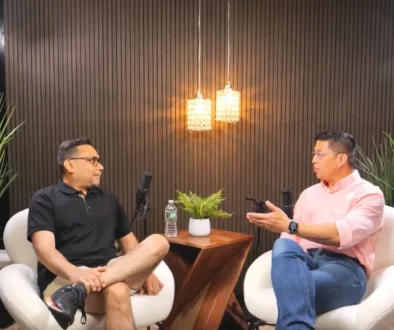
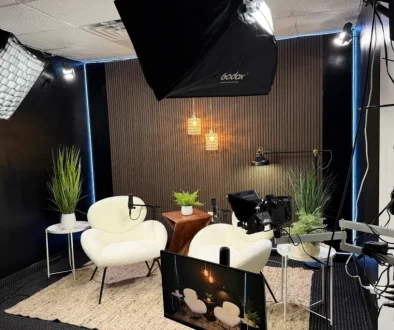
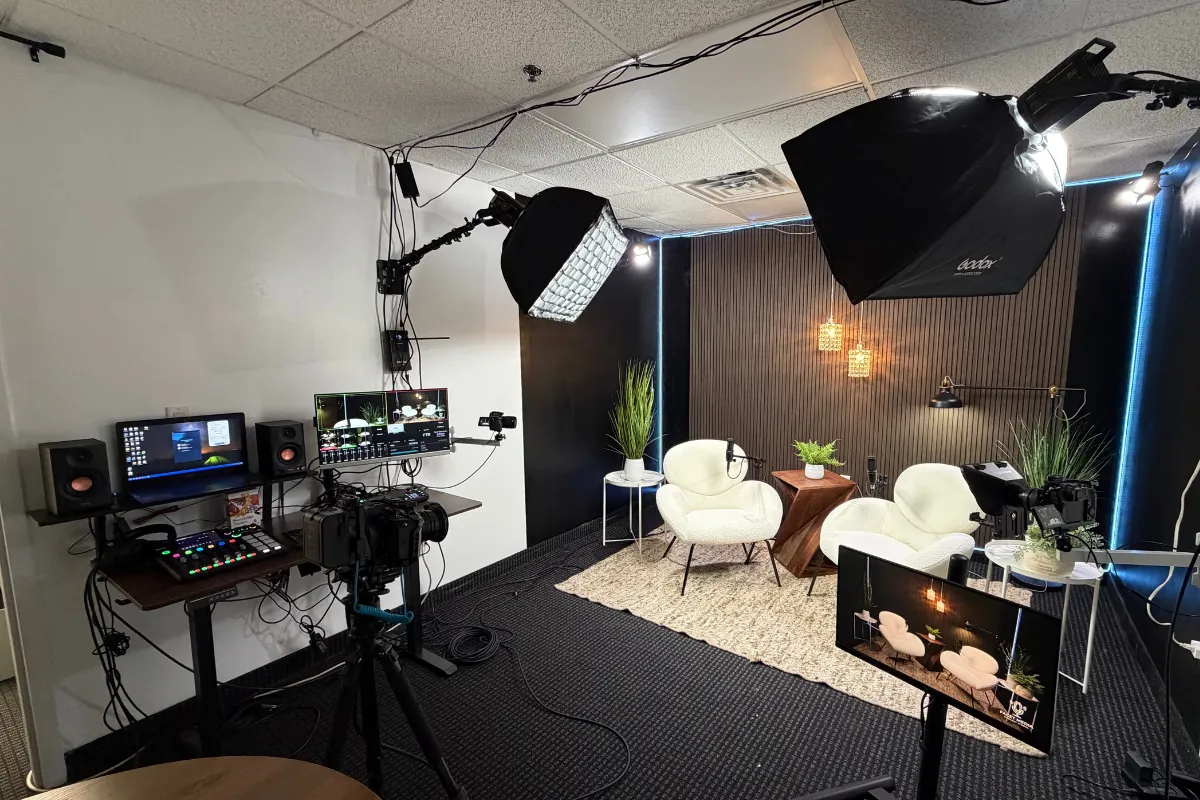
Recording at a professional studio means you do not have to manage technical equipment by yourself. At Facet Media Podcast Studio, every booking includes a dedicated engineer who manages audio levels, multi-camera switching, and lighting adjustments.
Working effectively with your engineer makes your session simple:
- Communicate Your Goals: Let your engineer know your episode format, who is speaking, and if you plan to use special tools like a teleprompter.
- Perform a Quick Sound Check: Speak into the microphone at your normal talking volume for 30 seconds so the engineer can balance sound levels.
- Choose Your Studio Layout: Select the visual setup that fits your show, such as a cozy two-person lounge or a four-person roundtable.
- Ask Questions: If you feel uncomfortable or need an adjustment to your chair or headphone volume, speak up right away.
By letting the studio team manage the sound mixing and video feeds, you can focus entirely on delivering great content.
Frequently Asked Questions
How early should I arrive for my podcast recording session?
It is best to arrive 10 to 15 minutes before your scheduled start time. This gives you time to park, grab a glass of water, review your outline, and settle into the studio space without rushing.
Do I need to operate any audio gear myself?
No. At Facet Media Podcast Studio, an experienced engineer sets up the microphones, monitors sound levels, and handles camera angles for you throughout the session.
What happens if I make a mistake while talking?
Making mistakes is completely normal. Simply pause for a few seconds to leave a clean gap in the audio, then re-state your point. The quiet gap makes it simple to cut out the mistake during editing.
How quickly do I receive my podcast files after recording?
You will receive raw audio and video files delivered straight to your email inbox via a secure link within 1 to 2 hours after your session finishes.
Ready to record your show without technical stress? Contact Facet Media Podcast Studio in Paramus, NJ today to book your session. Call (551) 788-0014 or email info@facetemediastudio.com to reserve your studio time.