Pick the Best Podcast Formats for Your Show
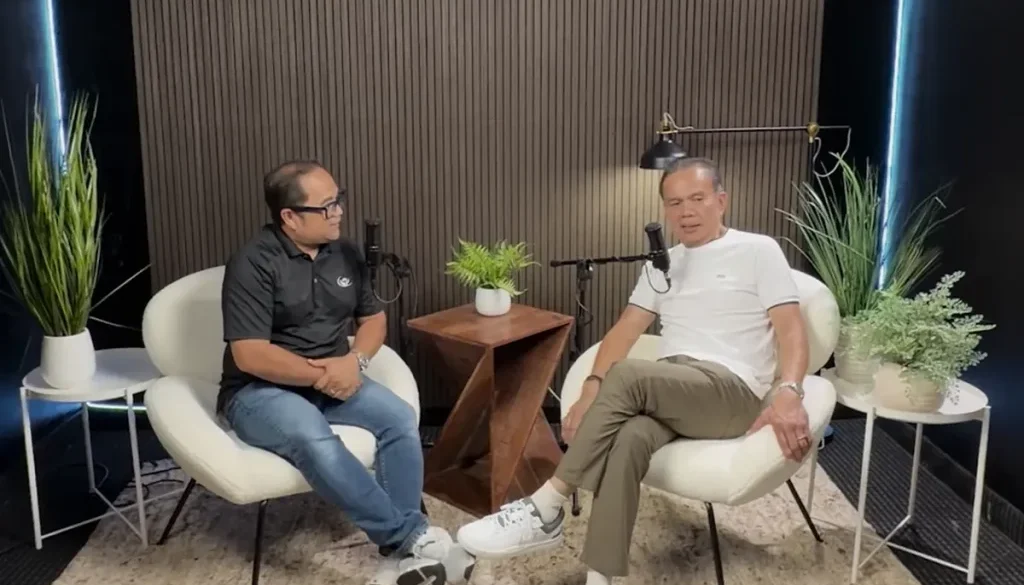
Starting a new audio project requires making several practical choices right away. One of your biggest decisions involves selecting among different podcast formats. Your choice shapes your production schedule, gear needs, and how listeners connect with your content. Whether you want to speak alone or host active conversations with guests, picking the right setup helps you stay consistent and build an audience. Facet Media Podcast Studio provides dedicated spaces for both cozy two-person talks and four-person group sessions.
Key Takeaways
- Your choice of structure affects your recording time, booking needs, and equipment setup.
- Solo recordings build personal authority and require minimal scheduling effort.
- Guest interviews help reach new audiences but demand outreach and research.
- Multi-host setups create dynamic conversations but need multiple microphones and sound treatment.
Understanding Different Podcast Formats
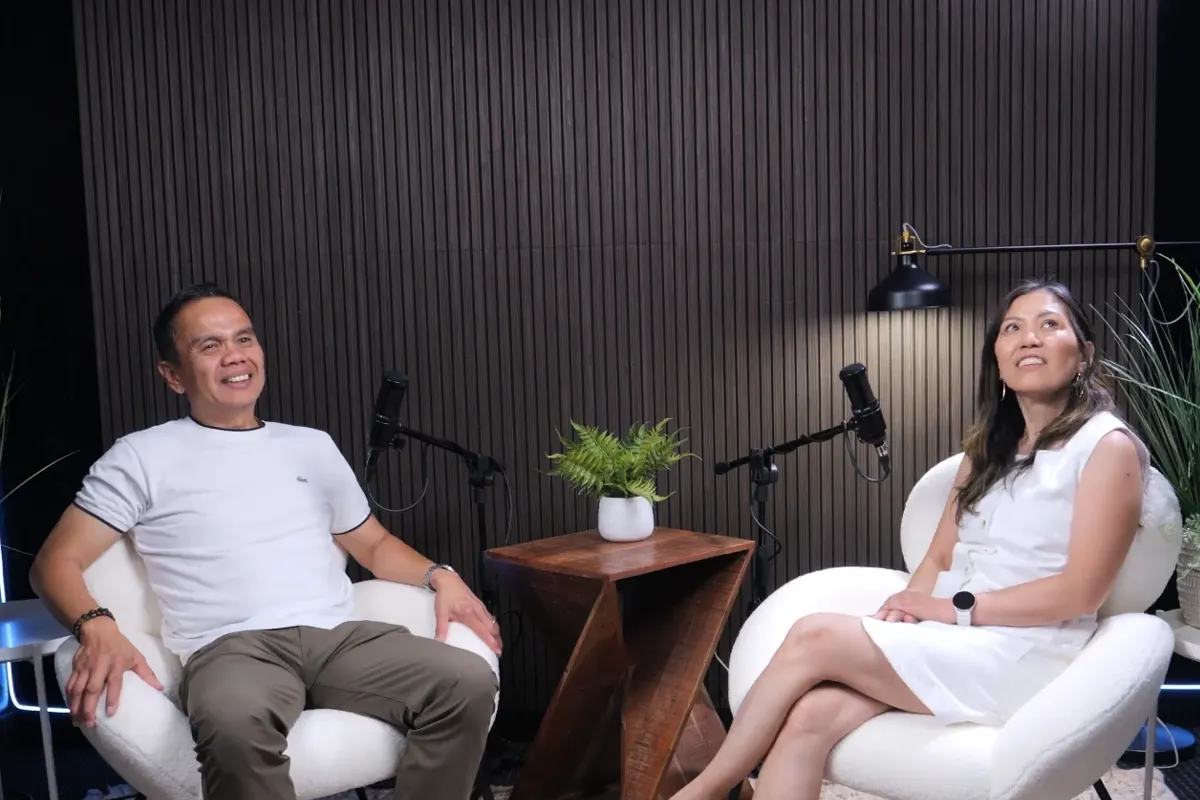
Selecting your layout sets the groundwork for your recording routine. Here is a close look at the three primary options used by creators today.
Solo Storytelling and Monologue Shows
Solo shows feature a single host talking directly to the listener. This style works well for sharing clear educational content, personal commentary, or structured lesson plans.
- Benefits of Solo Content:
- Flexible scheduling because you only work around your calendar.
- Complete control over your message, script, and pacing.
- Quick editing process with only one voice track to adjust.
- Challenges of Solo Content:
- Speaking alone without a partner can feel tiring over time.
- Needs careful outlining so you do not run out of talking points.
- Misses out on built-in audience promotion from guest networks.
Pro Tip: Read your script notes out loud before you start recording. Keeping a steady speaking rhythm takes practice when you record without a partner.
Running an Interview Podcast
An interview podcast brings outside guests on air to answer questions about their work, background, or area of focus.
- Benefits of Interview Shows:
- Guests often share the episode with their social followers.
- Endless topic choices based on who you invite to speak.
- Organic conversation keeps the audio feeling lively and natural.
- Challenges of Interview Shows:
- Guest outreach, booking, and prep take real time.
- Technical issues can happen during remote host calls.
- Managing quiet or off-topic guests requires practice.
Hosting a Roundtable Podcast
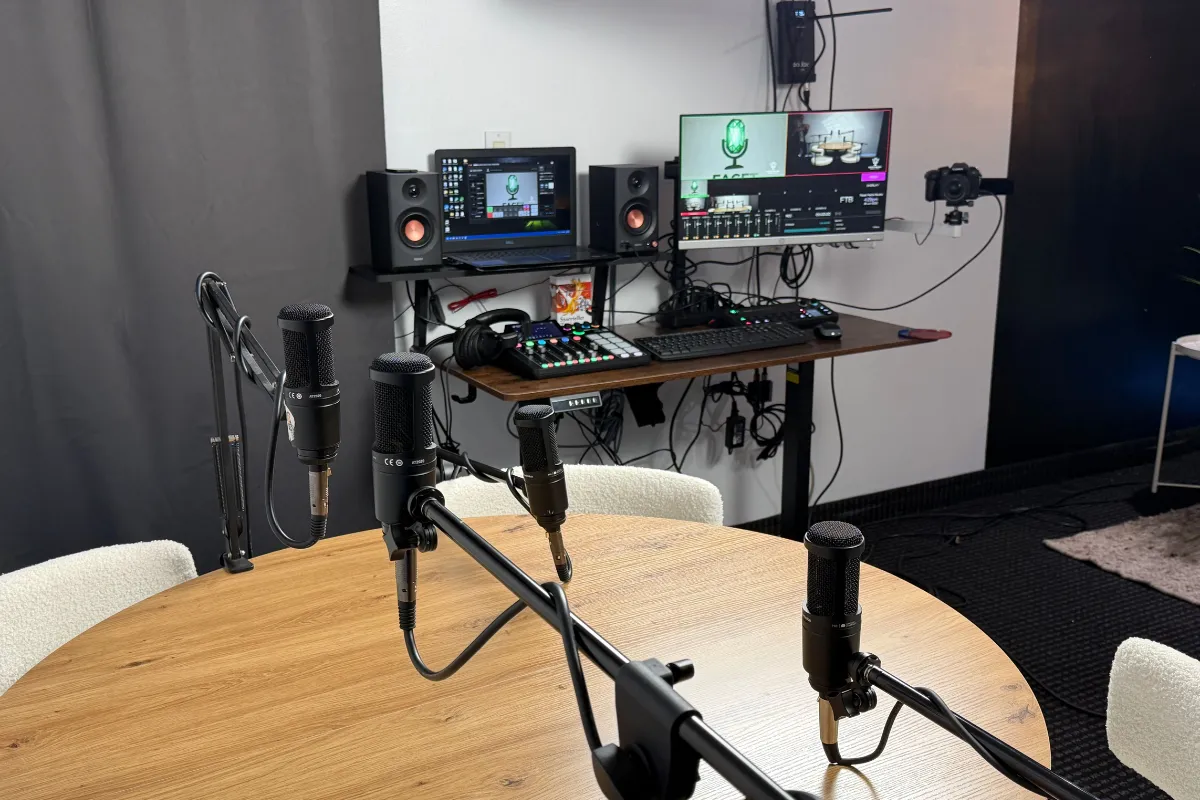
A roundtable podcast brings three or four people together to discuss shared interests, current news, or industry trends.
- Benefits of Group Conversations:
- High energy with diverse viewpoints and natural debate.
- Less pressure on one host to speak the entire time.
- Fun dynamic for listeners who enjoy unscripted chatter.
- Challenges of Group Conversations:
- Harder editing process with multiple overlapping voice tracks.
- Risk of speakers talking over one another during heated points.
- Requires dedicated microphones and sound dampening for each chair.
Comparing Your Format Options
Use this comparison chart to review how each setup compares across key technical and planning needs.
| Feature | Solo Storytelling | Interview Podcast | Roundtable Podcast |
|---|---|---|---|
| Host Count | 1 Host | 1 Host + 1 Guest | 3 to 4 Speakers |
| Preparation Time | High (Scripting) | Medium (Guest Research) | Low to Medium |
| Microphones Needed | 1 Microphone | 2 Microphones | 3 or 4 Microphones |
| Editing Time | Low | Medium | High |
| Growth Potential | Search engine discovery | Guest cross-promotion | Shared host networks |
| Ideal Studio Layout | Cozy lounge setup | 2-person host/guest desk | 4-person acoustic table |
How to Choose the Right Structure for Your Project
Selecting the right style depends on your available hours, subject matter, and technical gear. Follow these steps to find your best fit.
- Calculate Your Weekly Available Time:
- If you have limited weekly hours, single-host shows allow fast recording sessions.
- If you can dedicate time to emailing and calendar booking, guest shows offer broad topic variety.
- Review Your Equipment and Space:
- Single-speaker shows require only one microphone and minimal space.
- Group chats need separate microphones for every person to maintain clear sound separation.
- Align With Your Show Goals:
- Share personal insights and build direct trust through solo commentary.
- Expand your professional network by bringing on guest experts.
- Build an entertaining community with multiple co-hosts.
Key Insight: You do not have to stick to one setup forever. Many shows start with single-host episodes and add guest chats as their audience grows.
Studio Environments Built for Every Format
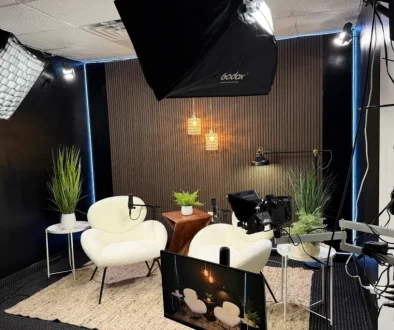
Recording in a proper setting helps keep your sound clear and professional. Studio spaces often provide specialized layouts tailored to different show types:
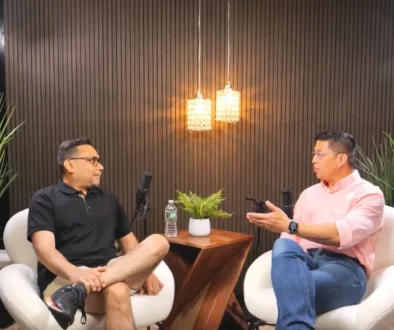
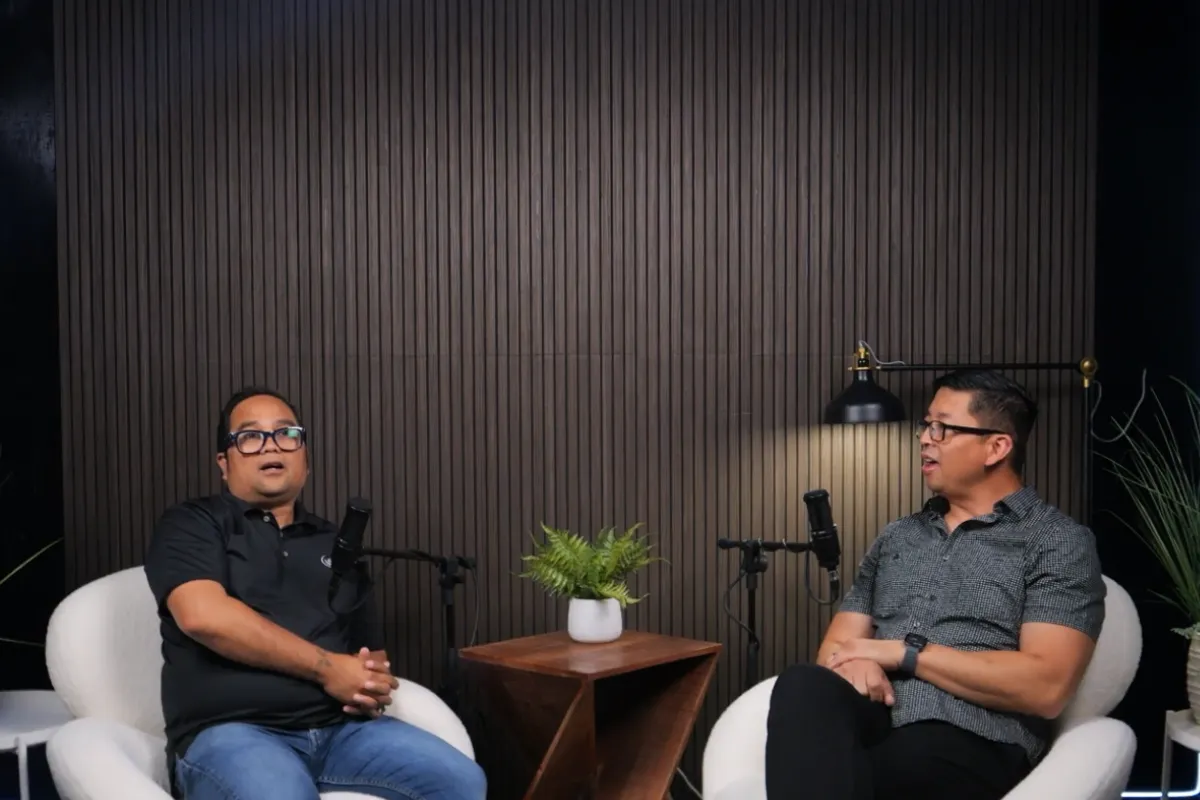
- Two-Person Lounge Setup:
- Designed for comfortable head-to-head interviews or intimate host discussions.
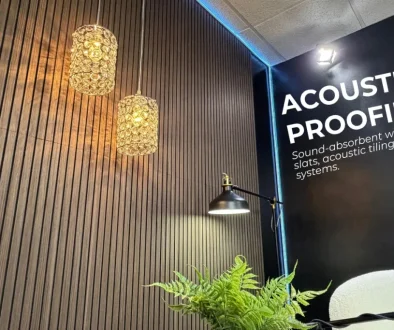
- Features comfortable seating and warm acoustic paneling for direct conversations.
- Four-Person Roundtable Setup:
- Features a multi-mic round table with acoustic wall treatment.
- Designed so every participant can see each other clearly while speaking into individual microphones.
Having an engineer on site during your session manages audio levels and video switching so you can concentrate entirely on your topic.
Frequently Asked Questions
Can I alternate between different episode layouts?
Yes. Many creators release solo commentary episodes on regular weeks and host guests for special features. Changing your style keeps your feed dynamic while accommodating your guest schedule.
Which show structure requires the least recording gear?
Solo shows require the least amount of hardware. You only need one microphone, a single set of headphones, and a basic audio interface to record your vocal track.
How many microphones are necessary for group discussions?
Every speaker in the room should have an individual microphone. Sharing a single microphone leads to uneven sound levels, background echo, and poor audio quality.
What length works best for single-host episodes?
Single-host shows typically run between 10 to 20 minutes. Keeping solo episodes focused helps maintain listener interest without needing extra conversation partners.
Ready to record your show without gear headaches? Contact Facet Media Podcast Studio today by calling (551) 788-0014 or emailing info@facetemediastudio.com to book your session in Paramus, NJ.